
Why the Right Chicken Battery Cage is Critical for Tanzanian Commercial Poultry Success
For commercial poultry farmers in Tanzania, selecting the appropriate housing system is a foundational business decision that directly impacts productivity, bird welfare, and long-term profitability. This section explains why investing in the right Chicken Battery Cage is not merely an equipment choice but a critical strategic move for sustainable success.
In the Tanzanian context, a well-designed Chicken Battery Cage system directly addresses several core operational challenges. It maximizes limited land resources, a key advantage in peri-urban and high-density farming areas, by vertically stacking bird populations. This controlled environment is essential for managing prevalent health risks and optimizing feed conversion ratios, which are vital for maintaining profit margins in a competitive market.
- Disease & Parasite Control: Isolates birds from ground contact, significantly reducing outbreaks of coccidiosis and worm infestations.
- Feed & Water Efficiency: Automated systems attached to the cage structure minimize spillage and waste, conserving costly imported feed.
- Labor Optimization: Centralized egg collection and manure removal streamline workflows, addressing skilled labor shortages and reducing operational costs by up to 30%.
- Stock Management: Enables precise monitoring of individual bird health and uniform flock performance.
Ultimately, the strategic implementation of a suitable Chicken Battery Cage system creates a predictable, scalable production model. This allows Tanzanian farmers to reliably meet growing domestic demand, improve product quality for market competitiveness, and build a resilient business capable of withstanding market fluctuations. A proper cage investment is the cornerstone of a modern, profitable poultry enterprise.
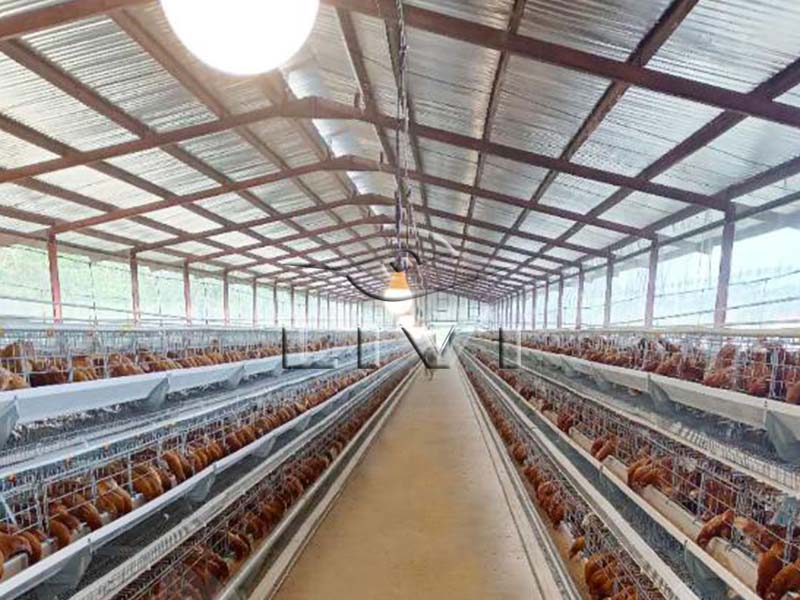
Evaluating Durable Chicken Battery Cage Systems for a 20,000-Bird Tanzanian Operation
For a Tanzanian poultry farm planning to house 20,000 birds, selecting the right Chicken Battery Cage system is a critical investment decision. This evaluation focuses on durability, operational efficiency, and long-term cost-effectiveness to ensure a profitable and sustainable operation.
- Material & Coating: Opt for cages made from heavy-gauge, hot-dip galvanized steel to resist the corrosive effects of humidity and ammonia, ensuring a lifespan of 15+ years.
- Structural Design: Look for reinforced welds and robust support frames to handle frequent use and local environmental stresses.
- Component Quality: Evaluate feeders, drinkers, and manure removal systems for reliability, as frequent replacements disrupt operations and increase costs.
Beyond durability, the system must enhance farm management. A well-designed Chicken Battery Cage setup for 20,000 birds should deliver:
- Optimized Space Utilization: Maximize stocking density within welfare guidelines to fully utilize your poultry house footprint.
- Streamlined Operations: Automated systems for feeding, watering, and manure collection drastically reduce labor requirements and improve bird health.
- Improved Production Metrics: Easy access to birds and eggs, coupled with a controlled environment, supports better feed conversion ratios and consistent egg collection.
| Evaluation Aspect | Key Consideration for 20,000-Bird Farm |
|---|---|
| System Type | A-tier or H-tier cages based on building layout and automation level. |
| Local Support | Availability of technical service and spare parts within Tanzania. |
| ROI Timeline | Target a payback period of 2-3 years through improved efficiency and yield. |
Ultimately, the most durable system is one that balances upfront cost with minimal lifetime expense and maximal productivity. We provide customized layouts and lifetime cost analyses for large-scale Tanzanian operations, using heavy-duty materials proven in similar climates. Request a detailed 20,000-bird cage layout and ROI projection specific to your region by contacting our local team today.
Integrating Automated Feeding Solutions into Your Chicken Battery Cage to Cut Labor Costs
This section explores how automated feeding systems can be integrated with your existing Chicken Battery Cage setup to reduce operational expenses, a key consideration for Tanzanian poultry farmers facing rising labor costs and the need for consistent feed management.
Integrating an automated feeder into a Chicken Battery Cage system streamlines the entire feeding process. The system typically involves a central feed bin, augers or chain conveyors that run along the cages, and adjustable troughs at each tier. This setup ensures every bird receives a precise, timed ration directly in their cage, eliminating manual distribution and minimizing feed waste, which can account for up to 15% of total feed costs in manual systems.
- Reducing daily labor requirements for feeding by 70-80%, allowing staff to focus on health monitoring and egg collection.
- Ensuring 24/7 feed availability, which promotes uniform growth and stable egg production in layers.
- Cutting feed spillage and contamination, leading to more efficient feed conversion ratios (FCR).

Implementation involves a few critical steps to ensure success:
- Assess your current cage line layout and structural strength to support the feeding system’s weight.
- Choose a system compatible with your cage dimensions, whether for broilers or layers.
- Plan for a reliable power source, with backup options like solar to mitigate grid instability common in some regions.
By automating the feeding process within your battery cage operation, you directly address core challenges of labor cost and management efficiency. We specialize in robust, locally-supported automation solutions designed for the Tanzanian market’s specific conditions. Contact our team for a customized cost-benefit analysis and integration plan for your farm.
Calculating ROI: How Efficient Chicken Battery Cage Features Boost Egg Production and Profits
Calculating the return on investment for poultry housing requires analyzing how specific features translate directly into improved egg yield and cost savings. This section breaks down the operational efficiencies of modern systems that contribute to a stronger bottom line.
- Optimized space allocation that reduces stress and feather pecking
- Integrated manure removal belts that improve hygiene and lower labor costs by an estimated 30%
- Precise feeding and watering systems that minimize feed waste
These features collectively boost egg production. For instance, consistent environmental control and reduced disease incidence can lead to a documented 5-10% increase in lay rate. Furthermore, the durability of a galvanized steel Chicken Battery Cage extends the equipment’s service life, spreading the initial capital cost over more production cycles and improving long-term ROI.
Ultimately, the profitability calculation goes beyond the cage price. It encompasses enhanced output, lower variable costs, and asset longevity. To make an informed decision for your operation, compare the projected ROI of different system configurations.
Implementing Your Optimized Chicken Battery Cage System: A Practical Roadmap for Tanzanian Farms
This section outlines the practical steps for Tanzanian farmers to successfully install and manage a modern Chicken Battery Cage system, addressing local infrastructure and operational realities.
The first phase involves meticulous planning and site preparation. Key steps include:
- Assessing your power and water access, planning for backup solar or generator systems common in rural Tanzania.
- Preparing a level, well-draining concrete floor to ensure structural integrity and hygiene.
- Calculating your stock density; a standard Chicken Battery Cage unit in Tanzania typically houses 3-4 birds per cage tier to balance welfare and productivity.
- Assemble the cage tiers and secure all galvanized wire panels.
- Install the automated feeding and nipple drinking lines, testing for consistent flow.
- Gradually introduce point-of-lay pullets (18-20 weeks old) to their new environment over 3-5 days to minimize stress.
For optimal results, implement a structured management protocol from day one. This includes daily checks of feed and water systems, a strict biosecurity entry point for workers, and a weekly waste removal schedule to maintain a healthy environment and maximize egg production.
By following this roadmap, you establish a foundation for efficient, high-yield poultry farming. We provide cages engineered for Tanzania’s climate with local technical support for assembly and maintenance. Contact our Dar es Salaam office for a customized project timeline and cost breakdown.
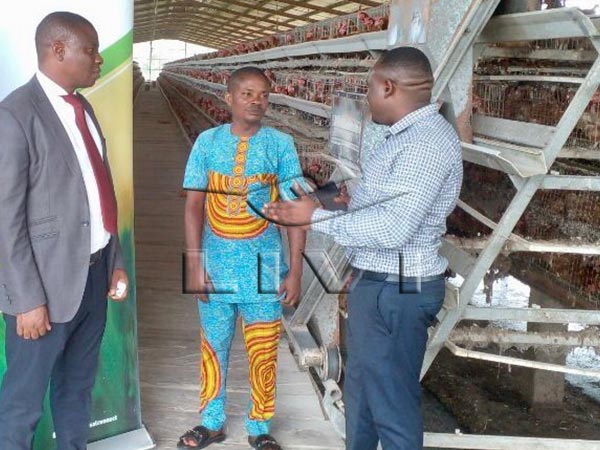
Securing Long-Term Farm Profitability with the Right Chicken Battery Cage Investment
This section explores how a strategic investment in poultry housing directly impacts your farm’s financial sustainability over 5-10 years, focusing on key performance metrics.
- Feed Savings: Automated systems can reduce feed waste by 15-20%.
- Labor Efficiency: One worker can manage up to 5,000 birds, cutting payroll costs.
- Higher Productivity: Improved hygiene in a modern Chicken Battery Cage can boost egg production rates by 5-10%.
To maximize your investment’s return, follow these steps:
- Analyze Flock Size: Match cage tier (3-tier, 4-tier) to your current and planned capacity.
- Prioritize Durability: Select hot-dip galvanized steel to withstand local conditions for 15+ years.
- Calculate Total Cost of Ownership: Factor in not just purchase price, but long-term maintenance and utility costs.
By focusing on lifecycle value over initial price, a quality cage system secures profitability through enhanced efficiency and bird welfare. We provide cages engineered for East Africa’s climate with local technical support. Contact us for a personalized 5-year ROI projection for your farm.
