
Battery cages are widely used in modern poultry farming to house laying hens. They offer several advantages, including efficient space utilization, improved feed conversion, and reduced disease transmission. However, battery cages in chicken farm have also raised concerns about animal welfare.

Advantages of Battery Cages
Advantages:
- Efficient space utilization: Battery cages allow for a high stocking density, maximizing the number of birds that can be housed in a given space.
- Improved feed conversion: The restricted movement in battery cages reduces energy expenditure, leading to improved feed conversion ratios.
- Reduced disease transmission: Battery cages isolate birds from each other, reducing the spread of diseases.
- Easier management: Battery cages simplify feeding, watering, and egg collection, reducing labor requirements.
Key Considerations for Choosing Imported Cages
When choosing imported layers battery cages, it is important to consider the following factors:
- Cage size and design: The cage size and design should meet the welfare and productivity requirements of the hens.
- Ventilation and lighting: Adequate ventilation and lighting are essential for hen health and performance.
- Feed and water systems: The feed and water systems should be efficient and reliable to ensure optimal nutrition and hydration.
- Manure management: The cage system should facilitate easy and effective manure removal.
- Durability and maintenance: The cages should be durable and easy to maintain to ensure longevity and minimize downtime.
Specifications and Features of Imported Cages
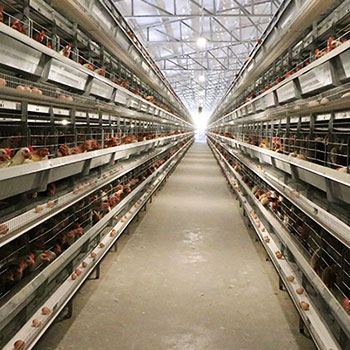
Imported layers battery cages typically come with advanced features and specifications, such as:
- Galvanized steel construction: For durability and corrosion resistance.
- Multiple tiers: To maximize space utilization.
- Sloped floors: To facilitate egg rolling and manure removal.
- Automated feeding and watering systems: For efficient and labor-saving operation.
- Ventilation and lighting systems: To maintain optimal environmental conditions.
Installation and Management Practices
Proper installation and management of battery cages are crucial for hen welfare and performance. Key practices include:
- Site selection: The farm should have adequate space, ventilation, and drainage.
- Cage assembly: The cages should be assembled according to the manufacturer’s instructions.
- Stocking density: The stocking density should be appropriate for the cage size and hen breed.
- Feeding and watering: Hens should have access to a balanced diet and clean water at all times.
- Lighting: A controlled lighting program is essential for egg production and hen well-being.
Expected Performance and Profitability
Imported layers battery cages can significantly improve farm performance and profitability. Expected benefits include:
- Increased egg production: Battery cages provide an optimal environment for egg laying.
- Reduced feed costs: Improved feed conversion ratios lead to lower feed costs.
- Lower mortality rates: Battery cages reduce disease transmission and injury risks.
- Labor savings: Automated systems simplify management tasks, reducing labor requirements.
Sustainability and Animal Welfare Implications
While battery cages offer production advantages, there are ongoing concerns about their impact on animal welfare. To address these concerns, farmers can implement enrichment measures, such as providing perches and nesting areas, and follow best management practices to minimize stress and injury.
Conclusion
Imported layers battery cage systems can be an effective solution for high-capacity chicken farms, offering improved performance and profitability.
