
Poultry farming is a lucrative and rapidly growing industry, driven by the increasing demand for poultry products. As a poultry farmer, it is crucial to have a suitable chicken house that can accommodate your flock and optimize productivity. If you’re planning to raise 10000 birds, investing in high-quality battery cages is a wise decision. Battery cages provide numerous advantages, including improved bird health, efficient space utilization, and enhanced egg production. In this comprehensive guide, we will delve into the factors that determine the size of your chicken house for 10000 bird battery cages and provide valuable insights to help you design a functional and efficient poultry facility.
1. Bird Density:
The first step in determining the size of your chicken house is to consider the bird density. This refers to the number of birds per square meter (m2) or square foot (ft2). The optimal bird density varies depending on the type of cage system and the breed of chicken. Generally, a density of 4-6 birds per m2 (1.8-2.7 birds per ft2) is recommended for layer hens, while broiler chickens require a slightly higher density of 7-8 birds per m2 (3.2-3.6 birds per ft2).

2. Cage Dimensions:
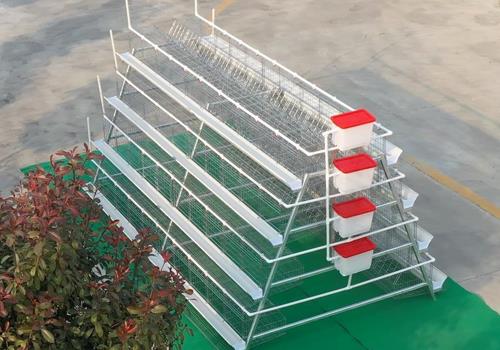
Once you have determined the bird density, you can calculate the dimensions of the battery cages required to house 10000 birds. Battery cages typically come in various sizes, ranging from small cages for individual birds to large cages that can accommodate multiple birds. The dimensions of the cage will depend on the specific model and manufacturer. However, as a general guideline, a 3-tier battery cage with 4 birds per cage would require approximately 0.5 m2 (5.4 ft2) of floor space per bird. For 10000 birds, you would need approximately 63-115 sets of chicken cages, occupying a total floor area of 100-200 m2 .
3. Chicken House Layout:
The layout of your chicken house is crucial for ensuring efficient operation and bird welfare. Factors to consider include the placement of the cages, the aisle width, and the ventilation system. The cages should be arranged in rows, with sufficient aisle space between them to allow for easy access and cleaning. The ventilation system should be designed to provide adequate airflow and maintain optimal temperature and humidity levels. Proper insulation is also important to prevent heat loss during cold weather.
4. Equipment and Infrastructure:
In addition to the battery cages, you will need various chicken equipment and infrastructure to support your poultry operation. This includes feeding and watering systems, manure removal systems, lighting systems, and temperature control systems. The type and capacity of the equipment will depend on the size of your flock and the specific requirements of your operation. It is important to carefully plan the layout of the equipment to ensure efficient operation and minimize labor requirements.
5. Building Size and Design:
The size of your chicken house will depend on the total floor area required for the battery cages, equipment, and aisle space. It is important to consider the overall design of the building, including the height, shape, and roof type. The building should be designed to withstand the local climate conditions and provide adequate ventilation and insulation. Proper drainage and waste management systems should also be in place to maintain a clean and healthy environment for your birds.
Conclusion:
Designing a chicken house for 10000 bird battery cages requires careful planning and consideration of various factors. By understanding the bird density, cage dimensions, chicken house layout, equipment requirements, and building design, you can create a functional and efficient facility that optimizes bird welfare and productivity. Investing in high-quality battery cages and proper management practices will ensure the success of your poultry operation and maximize your returns.
