
Poultry farming has come a long way, and with modern advancements in technology and equipment, it’s now easier than ever to achieve optimal results in terms of bird welfare and profitability. One key element of this transformation is the use of battery cage systems, which offer an efficient and highly customizable solution for commercial layer bird farming. In this article, we will explore the various aspects of selling battery cage systems designed for 30,000 layer birds, helping potential buyers make informed decisions.
Introduction to Battery Cage Systems
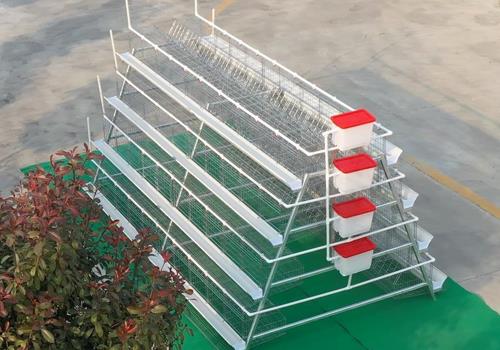
Battery cage systems are a crucial component of modern poultry farming. These systems provide a controlled and efficient environment for laying hens, ensuring optimal conditions for egg production. What makes battery cage systems stand out are the numerous advantages they offer:
-
Space Efficiency: Battery cages maximize the use of space, making them ideal for large-scale poultry operations. They allow for a high bird density without overcrowding, optimizing the use of available land.
-
Hygiene: The design of battery cages keeps birds off the ground, reducing the risk of contamination from litter or feces. This promotes a cleaner and healthier environment.
-
Ease of Management: These systems facilitate efficient egg collection, feeding, and monitoring. The uniform layout of cages simplifies daily tasks, leading to reduced labor requirements.
Battery Cage System Components and Customization
A battery cage system for 30,000 layer birds consists of several key components:
-
Chicken Cages. The heart of the system, the cages are designed to provide a comfortable and secure environment for each bird. They come in various sizes and materials, allowing customization to meet specific requirements.
-
Feeders and Waterers. These are designed for easy access by the birds and can be adjusted to control feed and water distribution. This ensures that all birds receive proper nourishment.
-
Egg Collection Systems. Efficient egg collection is vital for maintaining egg quality. Battery cage systems include mechanisms that allow for easy and clean egg gathering.
Customization is a key aspect of these systems. Potential buyers can tailor the system to their needs by selecting the appropriate cage size, material, and configuration. This flexibility ensures that the system can be optimized for bird comfort and productivity.
Battery Cage System Cost Considerations For 30000 Birds

Investing in a battery cage system for 30,000 layer birds is a significant financial commitment. However, it’s essential to consider the long-term benefits and cost savings:
-
Initial Investment. The primary cost includes the purchase of cages, feeders, waterers, and any additional accessories. Installation costs, including labor and infrastructure modifications, should also be factored in.
-
Ongoing Maintenance. Regular maintenance is necessary to keep the system in optimal condition. Routine checks, cleaning, and potential repairs are essential to maximize the system’s lifespan.
While the initial investment may seem substantial, it’s important to note that the efficiency of battery cage systems can lead to significant savings in the long run. Reduced labor costs, improved egg production, and lower feed wastage all contribute to increased profitability.
Benefits for Layer cage and Profitability
Battery cage systems offer several key benefits for both layer birds and poultry farmers:
-
Egg Quality. The controlled environment of battery cages results in cleaner eggs with fewer blemishes and cracks, leading to higher egg quality and better market prices.
-
Disease Control. Separation from litter and feces reduces the risk of diseases, contributing to improved bird health and reduced medication costs.
-
Efficient Egg Collection. The design of the system simplifies egg collection, reducing labor requirements and minimizing the risk of egg breakage.
-
Bird Welfare. While there has been debate about the welfare of birds in battery cages, modern systems are designed with bird comfort in mind. Adequate space, proper ventilation, and easy access to food and water all contribute to improved bird well-being.
In conclusion, battery cage systems designed for 30,000 layer birds provide an efficient, customizable, and cost-effective solution for modern poultry farming. While the initial investment may seem substantial, the long-term benefits in terms of profitability, egg quality, and bird welfare make them a worthy consideration for commercial poultry operations. When considering the purchase of such systems, potential buyers should carefully assess their specific needs and take advantage of the customization options available to tailor the system to their requirements. Ultimately, battery cage systems can play a crucial role in optimizing poultry profits while maintaining high standards of bird care.
