
In the dynamic world of poultry farming, efficiency and productivity are paramount. One of the most effective ways to enhance egg production is through the use of specialized chicken cages. This article explores the benefits of partnering with a professional layer cage supplier and highlights the features of a full chicken cage system tailored for egg production. We’ll delve into the specifics of H-type and A-type layer cages, automated egg collection systems, and the advantages of using galvanized steel poultry cages in high-density chicken farming.
The Importance of a Professional Layer Cage Supplier
Choosing a professional layer cage supplier is crucial for any poultry farmer aiming to optimize egg production. Such suppliers provide not only high-quality equipment but also expert guidance on selecting the right system for your farm. They offer comprehensive solutions that cater to both small-scale and large-scale operations, ensuring that each setup is tailored to the specific needs of the farm.
Full Chicken Cage System: A Game Changer in Egg Production
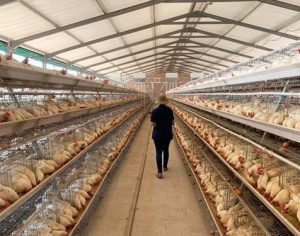
A full chicken cage system is designed to streamline the egg production process. It includes various components such as cages, feeding systems, watering systems, and egg collection mechanisms. These systems are engineered to maximize space utilization, enhance productivity, and ensure the welfare of the hens.
Key Features of a Full Chicken Cage System
-
Automated Egg Collection System. This feature reduces labor costs and minimizes egg breakage by gently collecting eggs and transporting them to a central location.
-
Galvanized Steel Poultry Cages. Made from high-quality galvanized steel, these cages are durable and resistant to corrosion, ensuring a long service life and maintaining a hygienic environment for the hens.
-
High-Density Chicken Farming. By optimizing space, these systems allow for high-density farming, which increases the number of hens that can be housed, thereby boosting egg production.
H-Type and A-Type Layer Cages: Understanding the Differences
When selecting a layer cage system, understanding the differences between H-type and A-type cages is essential.
H-Type Layer Cages
-
Design and Structure. H-type cages are known for their vertical design, which allows for efficient use of space. They are ideal for large-scale operations as they can accommodate a significant number of hens in a compact area.
-
Advantages. These cages offer high egg production rates due to their efficient design. They are equipped with automated systems for feeding, watering, and egg collection, reducing manual labor and increasing productivity.

A-Type Layer Cages
-
Design and Structure. A-type cages have a more traditional design with a sloped roof. They are often used in smaller farms or for farmers who are new to poultry farming.
-
Advantages. A-type cages are cost-effective and easy to assemble. They provide good ventilation and are suitable for environments where space is less constrained.
Egg Production Poultry Equipment: Enhancing Efficiency
Investing in quality egg production poultry equipment is vital for modern poultry farms. Equipment such as automated feeders, drinkers, and manure removal systems contribute significantly to the efficiency of the farm. These systems ensure that hens have constant access to food and water, and that waste is managed effectively, reducing the risk of disease and improving overall productivity.
The Role of Galvanized Steel in Poultry Cages
Galvanized steel is a popular choice for poultry cages due to its durability and resistance to rust. This material ensures that the cages maintain their integrity over time, even in harsh conditions. The use of galvanized steel in cage construction not only extends the lifespan of the equipment but also provides a safe and comfortable environment for the hens, which is crucial for maintaining high levels of egg production.
High-Density Chicken Farming: Maximizing Output
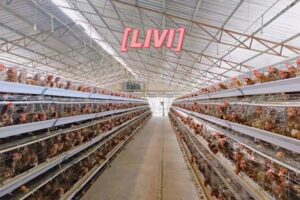
High-density chicken farming is a method that allows farmers to increase the number of hens in a given space without compromising their welfare. This approach is made possible by the strategic design of layer cages and the integration of automated systems. By maximizing space and resources, farmers can significantly boost their egg production, meeting the growing demand for eggs in the market.
Conclusion
In conclusion, partnering with a professional layer cage supplier is essential for any poultry farmer looking to enhance their egg production capabilities. By investing in a full chicken cage system, farmers can benefit from increased efficiency, reduced labor costs, and improved hen welfare. Whether opting for H-type or A-type layer cages, the use of high-quality materials such as galvanized steel ensures longevity and reliability. As the demand for eggs continues to rise, adopting modern poultry equipment and high-density farming practices will be key to staying competitive in the industry.
For those ready to take their poultry farming to the next level, consider reaching out to a reputable layer cage supplier today. They can provide tailored solutions and expert advice to help you achieve your egg production goals. Explore the options available and make the most of the advanced technologies in poultry farming equipment. Your hens—and your bottom line—will thank you.
Call to Action
If you’re interested in learning more about how a full chicken cage system can transform your egg production, contact us today for a consultation. Our team of experts is ready to assist you in selecting the right equipment for your farm, ensuring you achieve optimal results.
