
Poultry farming has evolved over the years, and one of the significant advancements in the industry is the use of layer battery chicken cage systems. These systems have proven to be efficient and effective in maximizing egg production while providing a comfortable and healthy environment for the laying hens.
Understanding the Layer Battery Chicken Cage System
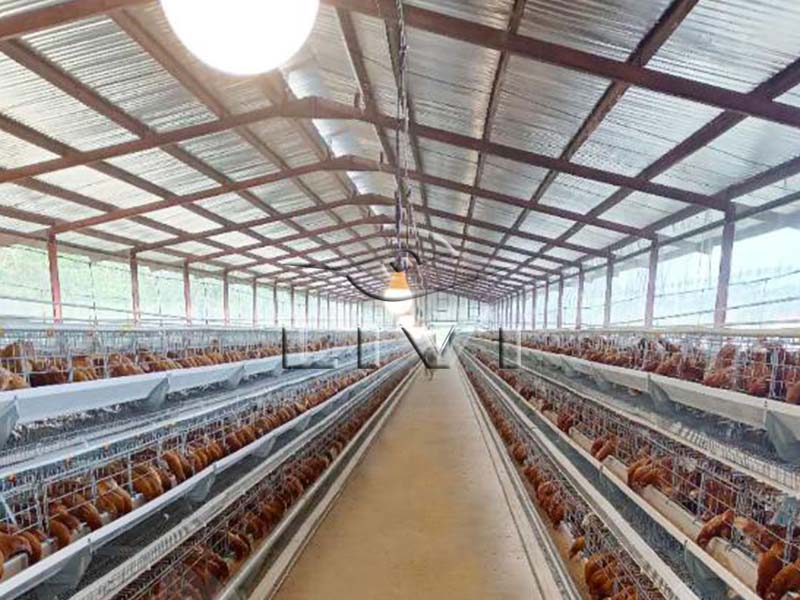
The layer battery chicken cage system is chicken housing system specially designed for laying hens. It is a type of poultry farming equipment that provides a controlled environment for hens to lay eggs efficiently.
The system typically consists of multiple tiers of layer cages stacked on top of each other, with each cage housing a specific number of hens. The cages are equipped with feeding and watering systems, as well as egg collection facilities, making it easier for farmers to manage the birds and collect eggs.
Types of Layer Battery Chicken Cage Systems
There are two main types of layer battery chicken cage systems: the A-type system and the H-type system.
The A-type system features a rectangular design, with the cages arranged in a single line. This design allows for easy access to the birds and their eggs, making it convenient for farmers to monitor and manage the hens.
On the other hand, the H-type system has a vertical structure, with multiple tiers of cages stacked on top of each other. This design maximizes the use of space and allows for higher bird capacity within a limited area.
Benefits of Using Layer Battery Chicken Cage Systems
The use of layer battery chicken cage systems offers several benefits for poultry farmers. Firstly, these systems help to maximize space utilization, allowing farmers to house a larger number of hens in a limited area. This is particularly beneficial for commercial poultry farming operations where efficient use of space is essential.
Additionally, the cage system provides a hygienic environment for the birds, reducing the risk of disease transmission and improving overall bird health. The controlled environment also ensures that the hens have access to feed and water at all times, leading to consistent egg production.
Management of Layer Battery Chicken Cage Systems
Proper management of the layer battery chicken cage system is crucial for ensuring the well-being of the hens and maximizing egg production. Farmers need to regularly inspect the cages for any signs of damage or wear and tear, as well as ensure that the feeding and watering systems are functioning effectively.
It is also important to monitor the health of the birds and provide appropriate veterinary care when needed. Additionally, maintaining cleanliness within the cage system is essential to prevent the spread of diseases and ensure a healthy environment for the hens.
Impact on Poultry Farming Using Poultry Farming Equipment

The adoption of layer battery chicken cage systems has had a significant impact on poultry farming practices. These systems have enabled farmers to increase their egg production capacity while optimizing resource utilization.
The controlled environment provided by the cage system has also contributed to improved bird health and welfare, leading to higher-quality eggs. Furthermore, the efficient use of space has allowed poultry farmers to scale up their operations and meet the growing demand for eggs in the market.
Considerations for Implementing Layer Battery Chicken Cage Systems
When considering the implementation of layer battery chicken cage systems, farmers need to take into account various factors such as initial investment costs, maintenance requirements, and regulatory compliance.
It is important to choose a system that meets the specific needs of the farm and ensures the well-being of the hens. Additionally, proper training for farm workers on the management of the cage system is essential to ensure its effective operation.
Future Trends in Layer Battery Chicken Cage Systems
As technology continues to advance, we can expect to see further innovations in chicken cage systems. Future developments may focus on enhancing automation within the systems, improving energy efficiency, and incorporating sustainable practices.
Additionally, there may be increased emphasis on animal welfare standards within the design and management of these systems, reflecting the evolving expectations of consumers and regulatory bodies.
In conclusion, the layer battery chicken cage system has become an integral part of modern poultry farming equipment, offering numerous benefits for both farmers and laying hens. With careful management and consideration of various factors, these systems have the potential to drive further advancements in egg production efficiency and animal welfare within the poultry industry.
