
Poultry farming has seen significant advancements in recent years, particularly with the introduction of automatic layer cage systems. These systems have revolutionized the way eggs are produced, providing a more efficient and cost-effective solution for farmers. In this article, we will explore the benefits, components, installation and maintenance, as well as the economic and environmental impact of automatic layer cage systems.
Benefits of Automatic Layer Cage System
The layer cage system offers numerous benefits for poultry farmers. Firstly, it maximizes space utilization, allowing for a higher density of birds to be housed in a given area. This is achieved through the vertical stacking of cages, which optimizes the use of available space. Additionally, the system provides a more organized and controlled environment for the birds, reducing the risk of injury and stress.
Furthermore, automatic feeding and watering systems ensure that the birds receive the necessary nutrients and hydration, leading to improved egg production and overall bird health. The system also facilitates easier egg collection and waste removal, streamlining the daily operations of the farm.
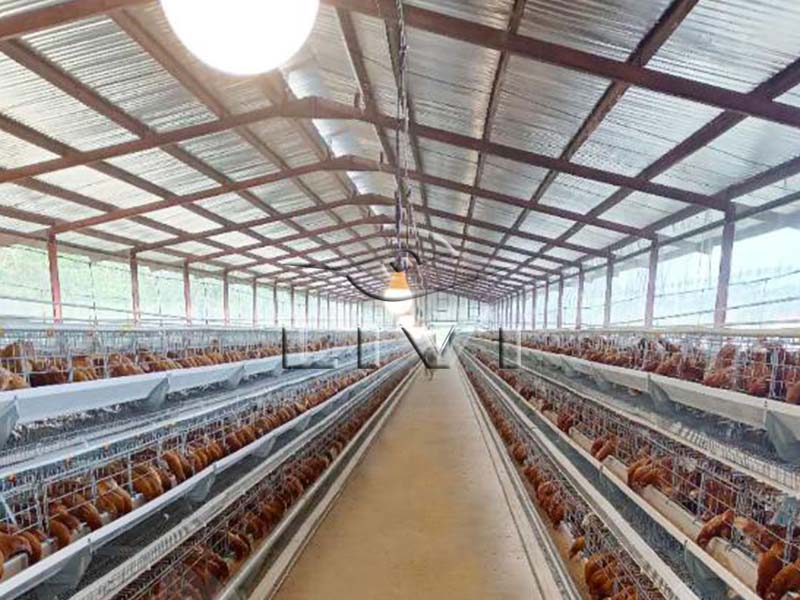
Components of Automatic Layer Cage
The key components of an automatic layer cage system include the cages themselves, feeding and watering systems, egg collection belts, waste removal systems, and climate control mechanisms. The cages are typically made of durable materials such as galvanized steel, providing a secure and hygienic environment for the birds.
The feeding and watering systems are designed to deliver feed and water to the birds automatically, reducing the need for manual intervention. This not only saves time and labor costs but also ensures that the birds have access to food and water at all times.
Egg collection belts are integrated into the system to gather eggs from the cages, minimizing breakage and contamination. Waste removal systems help maintain cleanliness within the facility by efficiently disposing of bird droppings and other waste materials.
Climate control mechanisms such as ventilation and heating systems are also essential components of the automatic layer cage system, ensuring that the birds are kept in optimal environmental conditions.
Installation and Maintenance of Automatic Layer Battery Cage System
The installation of an automatic layer cage system requires careful planning and expertise to ensure that the components are set up correctly. Professional installation services are often recommended to guarantee the system’s functionality and longevity.
Once installed, regular maintenance is crucial to keep the system running smoothly. This includes cleaning and sanitizing the cages, inspecting and repairing any damaged components, and monitoring the performance of the feeding, watering, and climate control systems.
Proper maintenance not only extends the lifespan of the layer raising equipment but also contributes to the overall health and productivity of the birds.
Economic and Environmental Impact of Automatic Layer Raising Cage System
From an economic perspective, the automatic layer cage system offers significant cost savings for poultry farmers. The efficient use of space allows for a higher bird population, leading to increased egg production within a smaller footprint. The automation of feeding, watering, and waste removal reduces labor costs and improves operational efficiency.
Moreover, the controlled environment provided by the system can result in lower mortality rates and higher-quality eggs, ultimately leading to greater profitability for the farm.
In terms of environmental impact, the system’s waste removal mechanisms help manage bird waste more effectively, reducing potential pollution and odor issues. Additionally, the optimized use of space can contribute to land conservation and sustainable farming practices.
